Charles & Revie
Between 1949 and 1963, Leeds United experienced a period of transformation, marked by the emergence of legendary players and crucial moments that would lay the foundation for future success. Central to this era were the rise of John Charles, one of the greatest players to ever wear the Leeds shirt, and the eventual appointment of Don Revie, who would change the course of the club's history.
Emergence of John Charles (1949-1957)
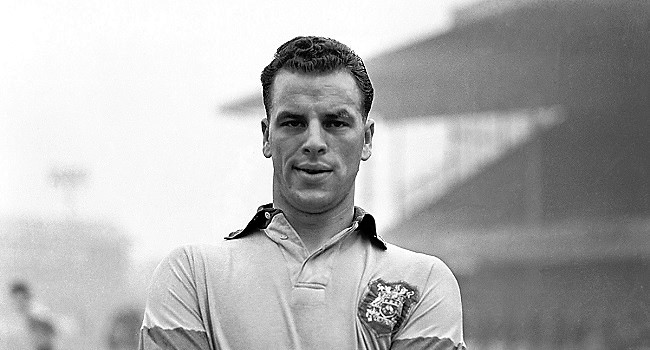
John Charles joined Leeds United as a teenager in 1948, making his first-team debut in 1949 at just 17 years old. Standing at 6 feet 2 inches, Charles quickly established himself as a dominant force, initially playing as a centre-back but later switching to a forward role where his combination of strength, skill, and aerial ability made him virtually unstoppable. By the early 1950s, Charles had become Leeds United's talisman, consistently scoring goals and leading the team by example. His versatility and dominance earned him the nickname "Gentle Giant," as he was known for his sportsmanship, never once being booked or sent off during his career.
Charles� influence was immense during this period. In the 1955-56 season, his prolific goal-scoring helped Leeds achieve promotion back to the First Division. He scored 29 goals in that campaign, and even more impressively, netted 38 goals in the 1956-57 season, finishing as the First Division's top scorer. However, despite his individual brilliance, Leeds struggled to maintain consistency as a team, with the club languishing in the lower reaches of the First Division standings.
West Stand Fire and Charles' Move to Juventus (1956-1957)
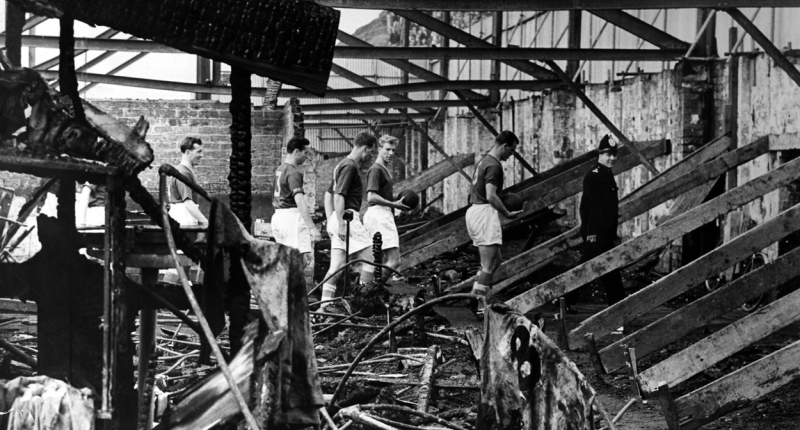
One of the most significant events during this period was the West Stand fire at Elland Road in September 1956. The fire devastated the stadium, reducing the iconic West Stand to ashes. Financial difficulties mounted, and in the summer of 1957, Leeds United was forced to sell John Charles to Juventus for a world-record transfer fee of �65,000 to pay for the new stand. A stand which bears his name to this day. Charles' departure was a major blow for the club, as they lost their star player just when they were trying to solidify their place in the top tier of English football. His impact at Juventus was immediate, and he became a legendary figure in Italian football, winning Serie A titles and earning adoration in Turin. However, his absence left a gaping hole in the Leeds squad, and the club struggled in the seasons that followed.
The Arrival of Don Revie (1958-1961)
In the aftermath of Charles� departure, Leeds United faced a turbulent period both on and off the field. The club�s fortunes continued to wane, and managerial changes became frequent. It wasn�t until the arrival of Don Revie in 1958, initially as a player from Sunderland, that Leeds began to find stability. Revie was a highly experienced forward, and despite being in his early 30s, he brought intelligence, tactical acumen, and leadership qualities that the club desperately needed.
By 1961, with the club hovering in the lower reaches of the Second Division, Leeds United�s chairman Harry Reynolds took a gamble and appointed Revie as player-manager. Revie immediately began restructuring the team, adopting a more tactical and methodical approach to the game. He instilled a sense of discipline and organization that had been lacking, setting the foundations for Leeds United transformation.

Revie's Vision (1962-1963)
One of Revie�s first ambitious moves as manager was an attempt to bring John Charles back to Leeds from Juventus in 1962. The club managed to re-sign the Welshman for a record fee of �53,000, and Charles� return generated massive excitement among fans. However, the reunion was short-lived. Charles, despite scoring three times in 11 games, struggled to adapt back to English football after years in Italy, and he was soon sold again, this time back to Italy for a profit.
Despite the disappointment surrounding Charles' return, Revie continued to build for the future. His investment in youth development and tactical innovation was beginning to show promise. Alongside the experience of Bobby Collins, he brought talented younger players such as Billy Bremner and Norman Hunter into the side, who would go on to form the backbone of the legendary Leeds side of the 1960s and 1970s. The youth setup, which Revie prioritised, became crucial to the club�s future success, with several homegrown players emerging as key figures.
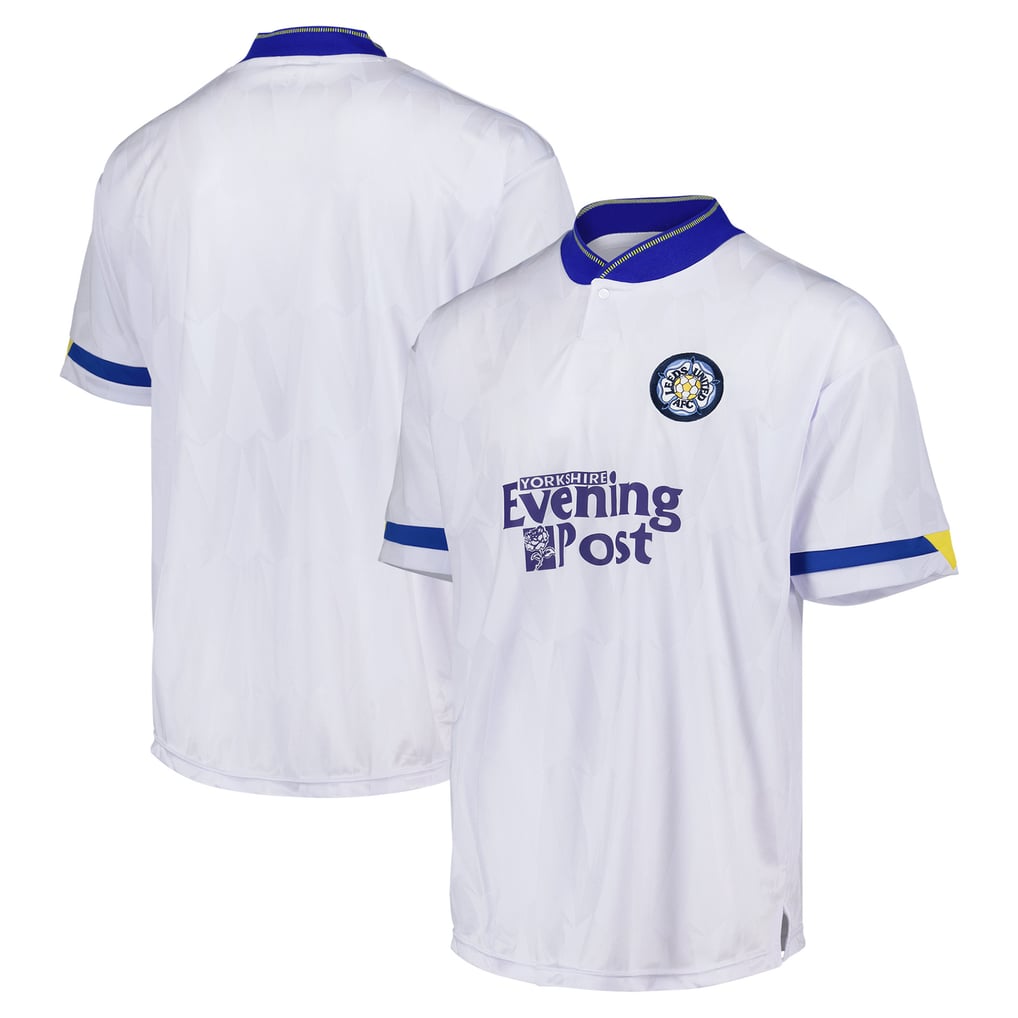
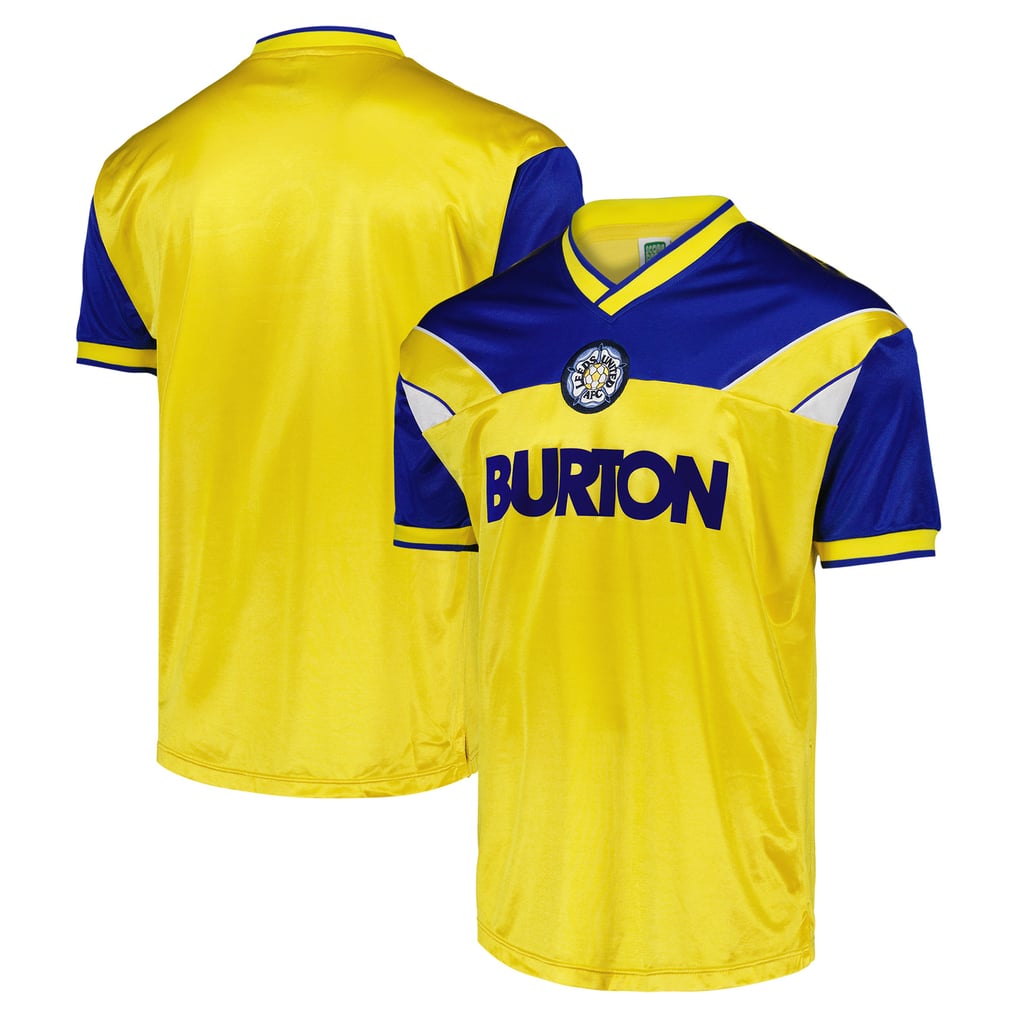
Revie also changed the club�s identity in subtle but significant ways. He famously switched the team�s colours from the traditional blue and gold to an all-white kit, inspired by Real Madrid, Europe�s dominant team at the time. Revie�s vision was clear: he wanted to build a club that could compete at the highest level in both domestic and European football.
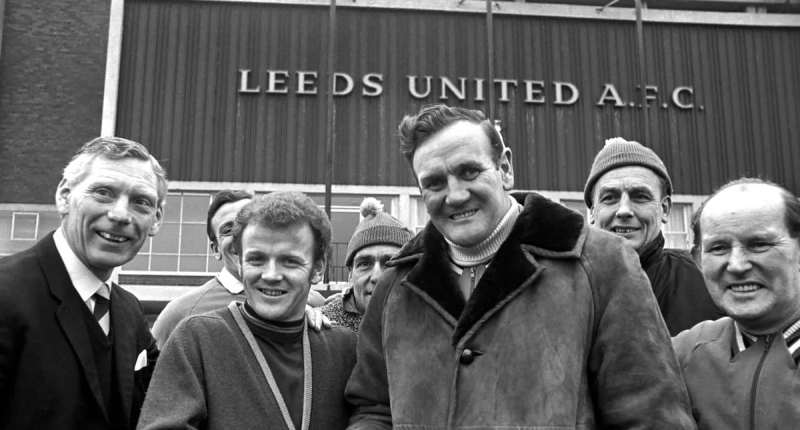
Laying the Foundations for Success
Although Leeds United narrowly avoided relegation in the 1961-62 season, finishing 19th in the Second Division, the groundwork for success had been laid. Revie�s tactical innovations, commitment to youth, and his vision for a disciplined, cohesive team began to bear fruit in the years that followed. His meticulous approach and attention to detail created a culture of professionalism that would eventually lead Leeds to one of the most successful periods in their history, culminating in domestic and European triumphs in the late 1960s and early 1970s.
For a comprehensive history of this period see �1949-57 - The Reign of King John� on OzWhite's History of Leeds United
| Period Summary | Division | Pos (Pts) | FA Cup |
Lg Cup |
Europe |
Other |
| 1949-1950 Details | Division Two | 5 (47) | QF |
- |
- |
- |
| 1950-1951 Details | Division Two | 5 (48) | R4 |
- |
- |
- |
| 1951-1952 Details | Division Two | 6 (47) | R5 |
- |
- |
- |
| 1952-1953 Details | Division Two | 10 (43) | R3 |
- |
- |
- |
| 1953-1954 Details | Division Two | 10 (43) | R3 |
- |
- |
- |
| 1954-1955 Details | Division Two | 4 (53) | R3 |
- |
- |
- |
| 1955-1956 Details | Division Two | 2 (52) | R3 |
- |
- |
- |
| 1956-1957 Details | Division One | 8 (44) | R3 |
- |
- |
- |
| 1957-1958 Details | Division One | 17 (37) | R3 |
- |
- |
- |
| 1958-1959 Details | Division One | 15 (39) | R3 |
- |
- |
- |
| 1959-1960 Details | Division One | 21 (34) | R3 |
- |
- |
- |
| 1960-1961 Details | Division Two | 14 (38) | R3 |
R4 |
- |
- |
| 1961-1962 Details | Division Two | 19 (36) | R3 |
R4 |
- |
- |
| 1962-1963 Details | Division Two | 5 (48) | R5 |
R3 |
- |
- |
 |
 |