


In sports, tournaments are a global phenomenon that brings people together across borders and cultures to celebrate athletic talent and competition. From the excitement of a packed stadium to the determination on the field, these events create moments of greatness and national pride.
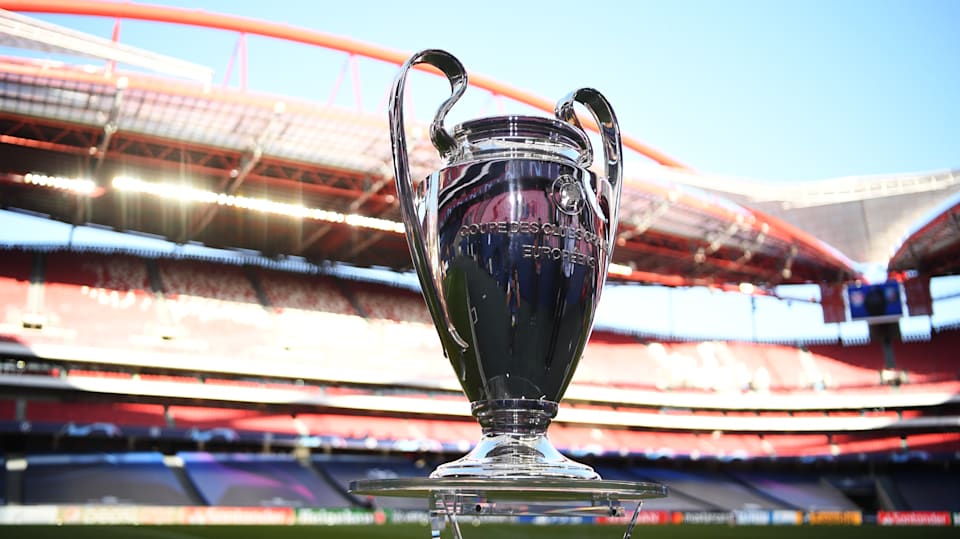
The Elite Showdown: UEFA Champions League
In football, the UEFA Champions League is a pinnacle of competition. It is a battleground for 32 teams, each vying to claim the title of Europe's finest club.This prestigious tournament dates back to 1955, and without fail, it graces the sporting calendar every year. In its early stages, it bore the name European Cup and featured a 16-team format. In 1992, it officially adopted the name UEFA Champions League and in 1999, it expanded to 32 teams. For the 2023-2024 season, there will be 36 teams.
The initial round gave way to an exhilarating group stage. Within this new framework, the 32 teams were subdivided into eight groups of four. They engaged in a round-robin format, with each team facing the other three in their group.
This changed a lot of things surrounding the tournament, including championship league odds, tournament length, team strategies, etc. The UEFA Champions League competition is the biggest and most popular annual football competition in the world.
The Super Bowl
The Super Bowl is the National Football League (NFL) annual championship game. It began in 1967 as the culmination of the NFL-AFL merger, featuring elaborate halftime shows and iconic commercials. The Vince Lombardi Trophy is given to the winning team.This event is essential in American sports culture. It includes social gatherings and betting and has a global audience. The Super Bowl location changes each year, and it has become a significant spectacle, transcending sports to become a celebrated and widely-watched event worldwide.
The FIFA World Cup: A Global Sensation
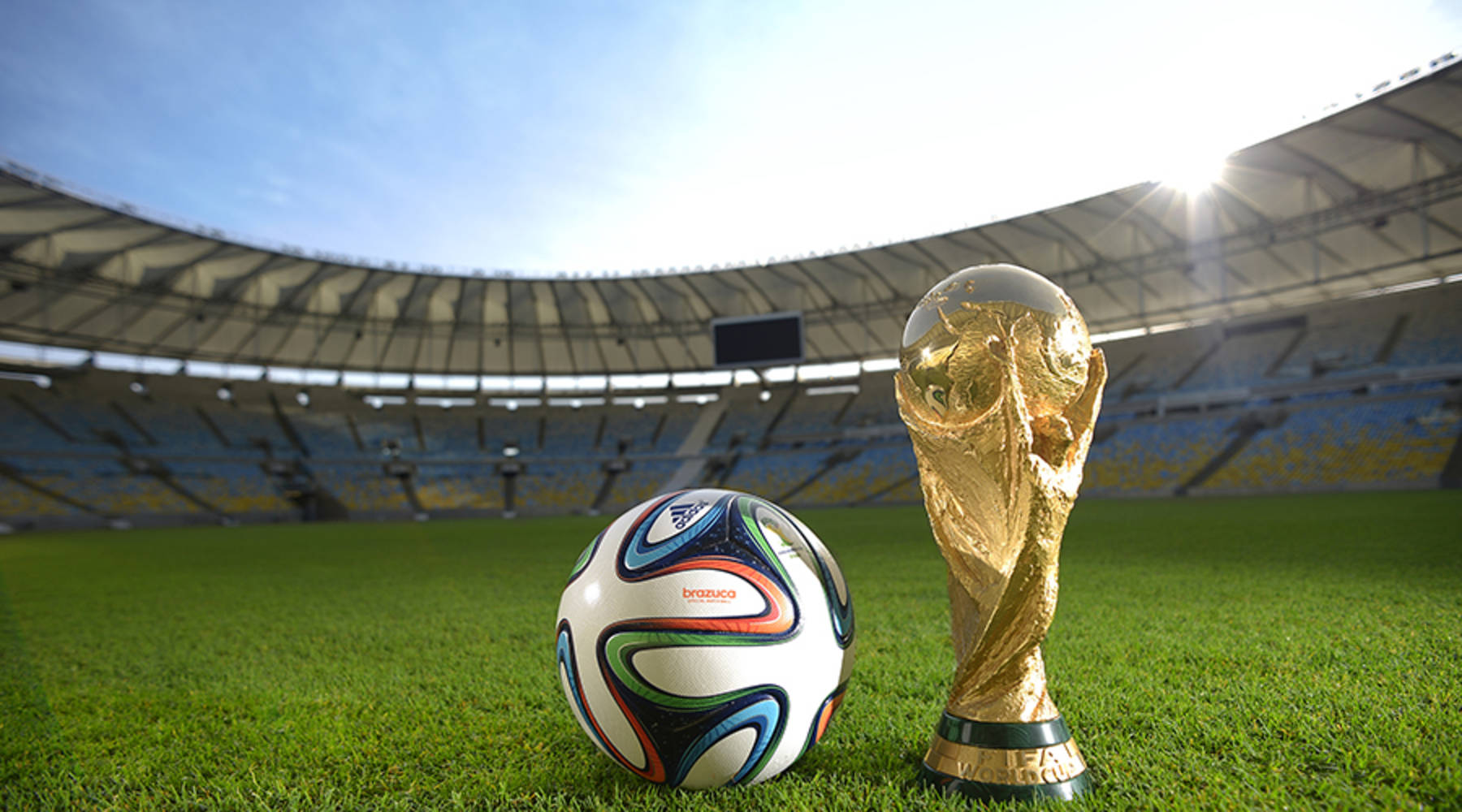
In the world of football, nothing quite rivals the brilliance of the FIFA World Cup. The UEFA Champions League has high-quality matches, but it can't match the prestige of a team representing a whole nation. In terms of global significance, no other sporting event comes close.The most recent tournament drew a staggering three billion television viewers worldwide. An astounding one billion fans tuned in to witness the pivotal final match. The World Cup's allure traces back to football transitioning, caught between amateurism and professionalism. FIFA, the governing body, wanted a worldwide football tournament. They made history on May 26, 1928, by announcing the first-ever World Cup.
The journey commenced with the first official tournament held in Uruguay in 1930. Since then, this important event has happened every four years, with a few breaks during World War II. Before the advent of the FIFA World Cup, unofficial pre-tournaments existed in the late 1800s when only a handful of national teams participated.
The Sir Thomas Lipton Trophy, held in 1909 and 1911, also served as a precursor. However, the FIFA World Cup emerged as the true pinnacle of the sport. In the beginning, the Olympic tournaments had only amateur teams. This made the World Cup even more important because it showcased the best players in the world vying for the gold trophy. Brazil has won the most World Cups with five trophies, with Germany and Italy right behind with four wins each.